
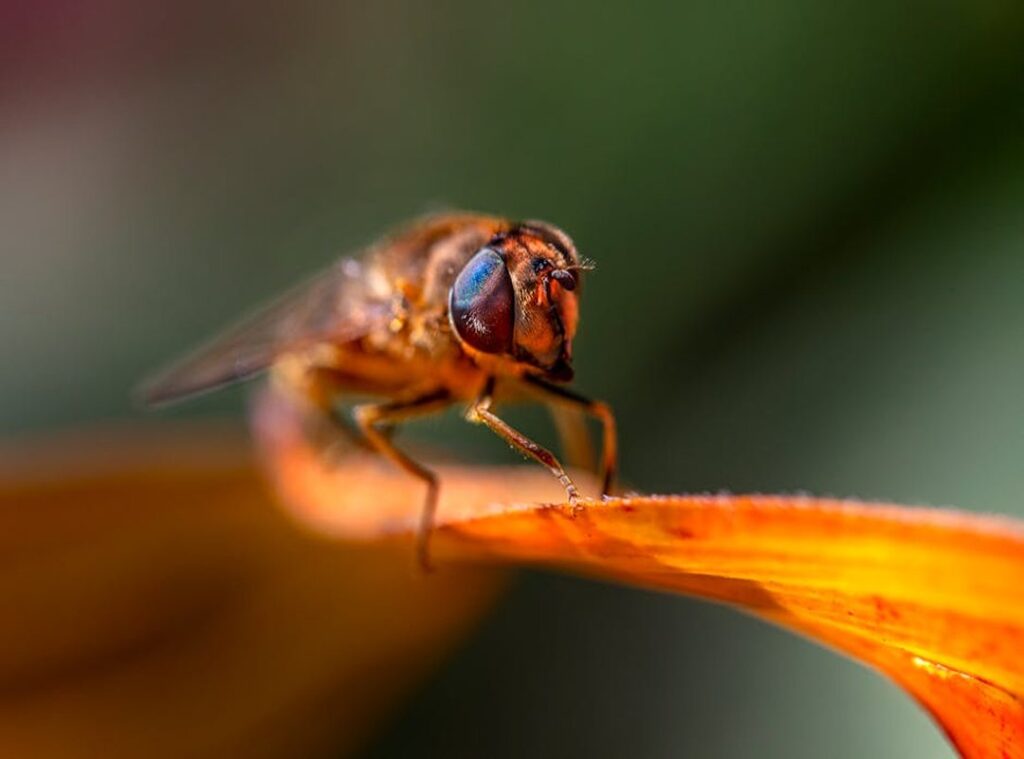
I get it. You’re out there, enjoying a beautiful evening, and suddenly serangga sangur start buzzing around, ruining the moment. It’s frustrating.
The repellent aisle at the store is overwhelming. So many options, so many claims. DEET, natural alternatives, sprays, lotions—how do you know what works?
This guide will cut through the noise. I’ll break down the science-backed options to help you choose the most effective and safest repellent for any situation.
You can trust this advice. It’s based on recommendations from entomologists and public health organizations. No fluff, just facts.
By the end, you’ll know how to decode labels, match ingredients to your activities, and apply repellent correctly for maximum protection. Let’s get started.
What’s Actually in the Bottle? A Breakdown of Key Ingredients
The Gold Standard: DEET
DEET is the go-to for many. It’s a synthetic compound that confuses serangga sangur, making it hard for them to find and bite you. Different concentrations (like 20-30%) mean different things.
Higher percentages last longer but don’t necessarily work better. A 20% DEET product might last a few hours, while 30% could give you all day protection.
The Main Alternative: Picaridin
Picaridin is another solid option. It’s nearly odorless and less greasy than DEET. Plus, it won’t damage synthetic fabrics and gear.
This makes it a favorite for hikers and campers.
Top Plant-Based Option: Oil of Lemon Eucalyptus (OLE)
Oil of Lemon Eucalyptus (OLE) is a refined, EPA-registered ingredient. It’s not the same as the essential oil you might find in stores. OLE is effective, especially against mosquitoes.
Its effectiveness is comparable to low-concentration DEET, making it a good natural choice.
Permethrin: A Complementary Tool
Permethrin is a bit different. It’s for treating clothing and gear, not for direct skin application. It’s highly effective against ticks.
If you’re heading into tick-heavy areas, treat your gear with permethrin before you go.
Comparing the Key Ingredients
- Effectiveness: DEET and Picaridin are top for both mosquitoes and ticks. OLE is great for mosquitoes but less so for ticks.
- Duration: DEET lasts the longest, followed by Picaridin. OLE has a shorter duration, similar to lower DEET concentrations.
- Feel on Skin: Picaridin and OLE are less greasy and more pleasant to use. DEET can feel sticky and has a stronger smell.
Knowing these options helps you pick the right one for your needs. Whether you’re hiking, camping, or just enjoying the outdoors, there’s a repellent out there that fits.
Matching Your Repellent to Your Adventure
For those backyard BBQs and light activities, you’ll want something that’s easy to apply and not too harsh. I recommend products with 20% Picaridin or Oil of Lemon Eucalyptus (OLE). Sprays and lotions are super convenient for these casual outings.
Now, if you’re heading out for some serious hiking, camping, or deep woods adventures, you need something with a bit more oomph. Go for 20-30% DEET or 20% Picaridin, and these provide longer-lasting protection.
And don’t forget to treat your socks, pants, and shirts with Permethrin. It’s a must for tick prevention.
When it comes to tropical travel and high-risk areas, the stakes are higher. The CDC recommends using a higher concentration, like 30% DEET or 20% Picaridin. This is crucial for protecting against vector-borne diseases like Zika, dengue, and malaria.
You can’t afford to skimp here.
For children and those with sensitive skin, safety is key. Avoid OLE on kids under 3 and DEET on infants under 2 months. Picaridin is a gentle yet effective option.
Always do a patch test with new products to make sure there’s no reaction.
Here’s a quick-reference list to help you match your repellent to your adventure:
- Backyard BBQs & Light Activity: 20% Picaridin or OLE
- Hiking, Camping, and Deep Woods: 20-30% DEET or 20% Picaridin, plus Permethrin for clothing
- Tropical Travel & High-Risk Areas: 30% DEET or 20% Picaridin
- Children and Sensitive Skin: Picaridin, avoid OLE on kids under 3 and DEET on infants under 2 months
One thing I’ve noticed is that many people overlook the importance of serangga sangur. These little critters can be just as pesky and dangerous. Make sure your repellent covers all bases.
By the way, if you’re into vlogging, why niche targeting is crucial for vlogging success can give you some great insights. It’s all about finding your unique angle, just like choosing the right repellent for your specific needs.
You’re Probably Applying It Wrong: How to Get Maximum Protection

You might think you’ve got the hang of it, but chances are, you’re applying sunscreen and insect repellent in the wrong order. Let’s get this straight: always apply sunscreen first. Wait for 15-20 minutes for it to absorb.
Then, and only then, apply the insect repellent on top.
Now, let’s talk about the proper technique. Spray or apply lotion evenly to all exposed skin. For your face, spray into your hands first and then apply, avoiding the eyes and mouth.
Simple, right?
Here’s a common mistake: spraying repellent under clothing. It’s not effective and can cause irritation, and also, avoid spraying in enclosed areas.
Trust me, you don’t want that stuff lingering in the air.
Reapplication is key. Follow the product label, but here’s a general rule: reapply after swimming, heavy sweating, or when the recommended hours of protection have passed.
Once you’re back indoors for the day, wash the repellent off with soap and water. This is a best practice and helps keep your skin healthy.
| Product | Application Order | Wait Time |
|---|---|---|
| Sunscreen | First | 15-20 minutes |
| Insect Repellent | Second | N/A |
Remember, using serangga sangur or any other repellent correctly can make a big difference. Stay protected and enjoy the outdoors!
Your Next Steps
It’s important to understand the unique characteristics of serangga sangur. These creatures play a vital role in their ecosystem. Observe them carefully to learn more.